Porto in Winter: Weather, What to Do and Why It Is Worth It
Porto in winter divides opinion. Some visitors remember grey skies and wet cobbles. Others remember empty viewpoints, long lunches by a fire and Atlantic storms rolling in over the lighthouse. Both are accurate. The difference is mostly a matter of preparation, and of where you stay.
Here is a practical guide to visiting Porto between November and March: the weather, what to do when it rains, what is better than in summer, and one thing nobody tells you about Portuguese houses.
The weather, month by month
Porto has a mild, wet Atlantic winter. It rarely freezes and almost never snows, but it does rain, sometimes for days.
- November: daytime highs around 16 to 17 degrees. The rainy season begins in earnest. Autumn colour in the Douro Valley.
- December: highs of 14 to 15 degrees, lows of 6 to 8. The wettest month, on average. Christmas lights go on at the start of the month.
- January: the coolest month, with highs around 13 to 14 degrees. Clear, bright spells between Atlantic fronts.
- February: similar to January, slowly drying. Almond blossom in the upper Douro.
- March: highs of 16 to 17 degrees, longer days and the first reliably warm afternoons.
Rain tends to arrive in bursts. A typical winter week has two or three wet days, a couple of mixed ones and some brilliant sunshine. Daylight lasts about nine and a half hours in December.
What to pack
- A proper waterproof jacket. Umbrellas struggle in the wind near the sea.
- Shoes with grip. The polished cobbles are slippery when wet.
- Layers. It can be 16 degrees in the sun at midday and 7 after dark.
- Sunglasses. Really.
The thing nobody tells you: houses can be cold
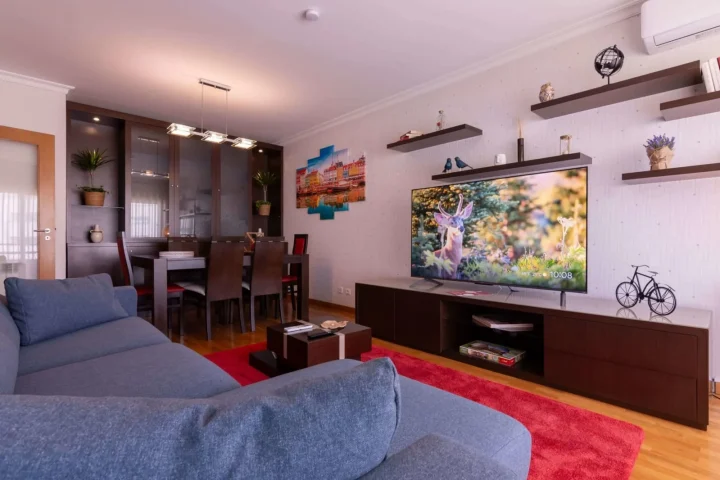
Many older Portuguese buildings have no central heating and little insulation. It is common to be warmer outside at lunchtime than indoors. When you book for winter, check that your accommodation has real heating in the bedrooms, not just a portable heater in the lounge.
Every EcoHost apartment has proper heating, either reversible air conditioning or central heating, and extra blankets are provided. Details that matter in January.
Why winter is a good time to visit
- No queues. Livraria Lello, the Clérigos Tower and the port cellars are a different experience without summer crowds.
- Lower prices. Accommodation rates outside Christmas and New Year are the lowest of the year.
- The food suits the season. Francesinha, tripe stew, roast kid, caldo verde and a glass of tawny port make more sense in January than in August.
- The sea is spectacular. Big winter swells break over the Felgueiras lighthouse at Foz and against the Senhor da Pedra chapel on the Gaia coast. Watch from a safe distance.
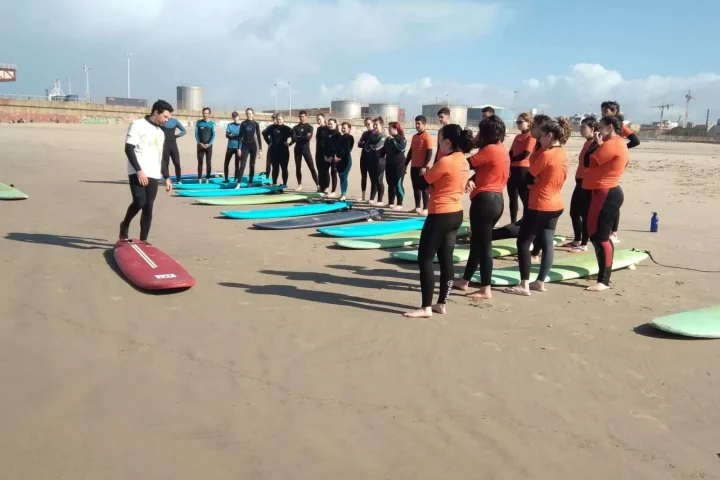
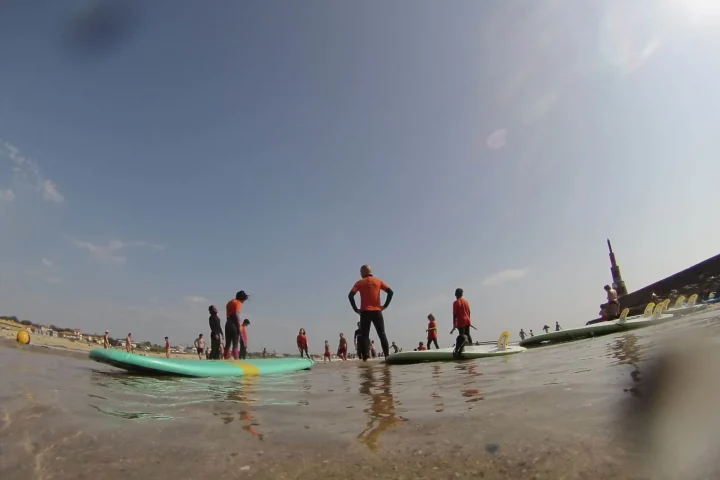
- It is surf season. The most consistent waves of the year arrive between October and March.
Things to do in Porto when it rains
- Port wine cellars in Gaia: an hour-long tour and tasting, mostly underground.
- Palácio da Bolsa: the 19th-century stock exchange, with its gilded Arab Room.
- São Bento station and the churches: tiles and gold leaf, all under cover.
- Serralves: contemporary art museum in a park that is beautiful in any weather.
- Casa da Música: guided tours by day, concerts by night.
- Bolhão Market: restored and covered, good for a long browse and a snack.
- World of Wine in Gaia: several museums, restaurants and wine schools on one site.
- A fish lunch in Matosinhos: the charcoal grills work all year.
- A cannery tour: Conservas Pinhais in Matosinhos shows how sardines are still packed by hand.
Things to do on a bright winter day
- Walk across the top deck of the Dom Luís I Bridge to the Jardim do Morro for the classic view.
- Follow the seafront from Foz to Matosinhos, around four flat kilometres, and stop for coffee in the sun.
- Take the train to the Gaia coast and walk the boardwalks between Miramar and Aguda.
- Drive to the Douro Valley. The terraces are bare, the roads are empty and wine estates have time to talk.
Winter dates worth knowing
- Christmas: lights and a tall tree on Avenida dos Aliados, markets and roast chestnut sellers throughout December.
- New Year’s Eve: fireworks and a free concert in the city centre. Book accommodation early.
- Late February or early March: Fantasporto, the city’s long-running international film festival.
- Carnival: parades in nearby towns, most famously in Ovar, 40 minutes south.
Staying longer: Porto for remote workers
Winter is when many people try Porto for a month. It is affordable by western European standards, has good coworking spaces and fast internet, and is small enough to feel at home quickly. Living by the beach in Matosinhos, with the metro to the centre, is a popular choice.
EcoHost apartments accept long stays and have a fully equipped kitchen; most also have a dedicated workspace and a washing machine. Ask us about monthly rates outside the high season.
Where to stay in Porto in winter
- For the sea on your doorstep: OceanBreeze, with sea views, and OceanSide, both in Matosinhos Sul.
- For groups and families: FamilyHub, with three bedrooms, a garage and the metro 300 metres away.
- For space and quiet: Gaia Beach&Golf, a 116 square metre apartment with central heating on the Gaia coast.
Thinking about a winter break or a longer stay? See dates and rates at ecohost.pt. Book direct for the best price.
Frequently asked questions
Is Porto worth visiting in winter?
Yes, if you pack for rain and plan a mix of indoor and outdoor days. You get lower prices, no crowds and the city at its most authentic.
How cold does Porto get in December?
Daytime temperatures are usually 14 to 15 degrees, falling to 6 to 8 at night. Frost is rare.
Does it rain a lot in Porto in winter?
December and January are the wettest months. Rain is frequent but seldom constant, and sunny days are common between fronts.
What is the best time to visit Porto?
May, June and September offer the best balance of weather and crowds. Winter is best for value, food and wine, and surf.