10 Day Trips from Porto by Car, with Driving Times
Porto is the natural base for exploring northern Portugal. Within 90 minutes’ drive there are terraced vineyards, medieval towns, a national park and long empty beaches. Trains and tours reach some of them, but a car lets you stop at the viewpoint nobody mentioned and stay for the long lunch.
These are our ten favourite day trips from Porto by car, with realistic driving times and practical advice on tolls, parking and where to base yourself.
Driving from Porto: what to know first
- You do not need a car in the city. Porto’s centre is best on foot and by metro. Pick the car up on the day you leave town, or choose accommodation with parking.
- Tolls are electronic on several motorways. There are no booths on roads such as the A28 and A41. Ask your hire company for a toll transponder; the charges are added to your bill.
- Parking in the old town is expensive and tight. Underground car parks cost around 15 to 25 euros a day.
- Driving is on the right, motorways are quiet by European standards and signposting is good.
Driving times below are from the north-west of the city, around Matosinhos, outside rush hour.
1. The Douro Valley
About 1 hour 20 minutes to Peso da Régua, 1 hour 45 minutes to Pinhão.
The steep terraced vineyards of the Douro are a World Heritage landscape and the home of port wine. Drive to Régua, then follow the N222 along the river to Pinhão, one of the most beautiful roads in the country. Visit a wine estate for a tasting and lunch, and take a short boat trip from Pinhão. Book estate visits ahead, and appoint a driver who is not tasting.
2. Guimarães
About 45 minutes.
Known as the birthplace of Portugal. The compact medieval centre is a World Heritage site, with a hilltop castle, the Palace of the Dukes of Braganza and squares lined with cafés. A cable car climbs to Penha hill for views and woodland walks.
3. Braga and Bom Jesus do Monte
About 45 minutes.
Portugal’s religious capital has a lively pedestrian centre and the country’s oldest cathedral. Just outside, the sanctuary of Bom Jesus do Monte is reached by a monumental Baroque staircase or by a 19th-century funicular powered by water. Guimarães and Braga are 25 minutes apart and combine well in one day.
4. Aveiro and Costa Nova
About 50 minutes to 1 hour.
Aveiro is a small city of canals and painted boats called moliceiros, with Art Nouveau façades and a local sweet made of egg yolk, ovos moles. Ten minutes away on the coast, Costa Nova has rows of striped wooden houses and a long beach.
5. Viana do Castelo
About 45 minutes on the A28.
An elegant town at the mouth of the Lima river. Take the funicular to the basilica of Santa Luzia for one of the great views of the Portuguese coast, then walk the old streets and have lunch by the water.
6. Peneda-Gerês National Park
About 1 hour 30 minutes.
Portugal’s only national park: granite peaks, oak forest, waterfalls, wild ponies and stone villages. Make it a full day, bring swimwear in summer for the river pools and wear proper shoes. Roads inside the park are narrow and slow.
7. The Paiva Walkways and the 516 Arouca bridge
About 1 hour 15 minutes.
Eight kilometres of wooden walkways zigzag along the gorge of the Paiva river. Above them hangs a pedestrian suspension bridge 516 metres long. Tickets for both are limited and must be booked online in advance. The walk is demanding in hot weather; start early.
8. Amarante
About 45 minutes.
A pretty riverside town on the Tâmega, with a stone bridge, a Renaissance church and cafés selling traditional convent sweets. A relaxed half-day, easily added to the drive to or from the Douro.
9. Ponte de Lima
About 55 minutes.
One of the oldest towns in Portugal, named after its long medieval bridge. Come for the riverside gardens, the vinho verde and, on alternate Mondays, a market that has been held here for centuries.
10. Vila do Conde and the northern beaches
About 20 minutes.
The closest trip on the list. Vila do Conde has a huge hilltop convent, a long aqueduct and a tradition of lace-making, with wide beaches on its doorstep. On the way, stop at the fishing hamlet of Angeiras and the dune boardwalks at Praia da Memória.
Trips that work better without a car
- Porto itself: metro and feet.
- Vila Nova de Gaia’s wine cellars: walk across the bridge.
- A Douro river cruise or the scenic train to Pinhão: let someone else do the driving on wine-tasting days.
The best base for a road trip: stay outside the old town
If you are hiring a car, staying in the historic centre means paying for parking, hauling luggage over cobbles and starting every day trip in city traffic. A base on the edge of the city, with a garage and quick motorway access, is easier and usually cheaper.
EcoHost apartments with parking included:
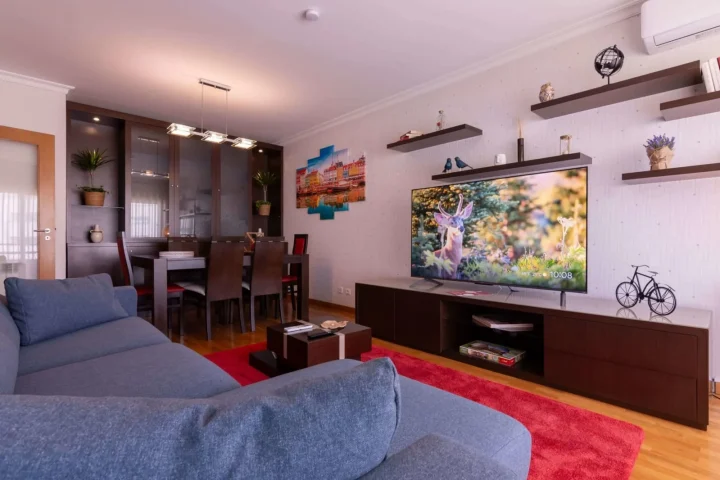
- OceanBreeze, Matosinhos Sul: free garage space, sea views, sleeps six.
- OceanGreen, Matosinhos Sul: free garage space, sleeps four.
- FamilyHub, next to the metro: private garage, sleeps eight.
- Gaia Beach&Golf, Gaia coast: private garage space, sleeps five, well placed for trips south to Aveiro.
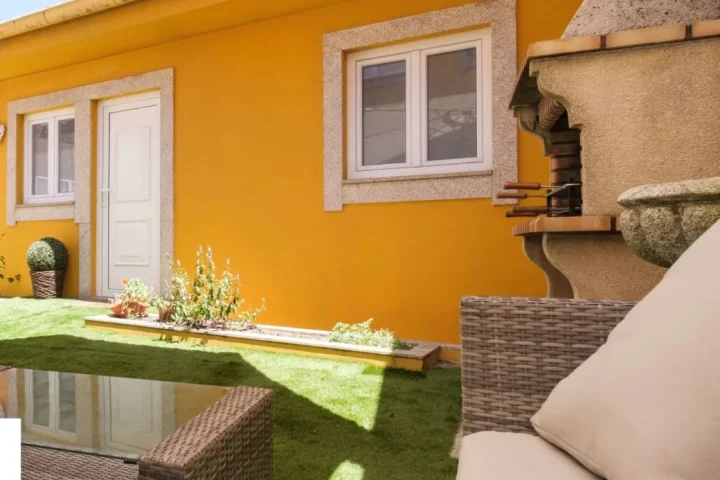
- Yellow House, near the airport: free street parking and an electric vehicle charger.
From Matosinhos you join the motorway network in minutes, and on the days you stay in town the metro takes you to the centre in half an hour while the car stays in the garage.
Planning a northern Portugal road trip? Check availability for apartments with free parking at ecohost.pt and book direct.
Frequently asked questions
What is the best day trip from Porto?
The Douro Valley, for its scenery and wine estates. For history, Guimarães and Braga together make an excellent day.
Can you visit the Douro Valley in one day from Porto?
Yes. Leave by 9 am, drive to Régua and Pinhão, visit one or two estates and return in the evening. Two days allow a slower pace.
Do I need a car for day trips from Porto?
Not always. Guimarães, Braga and Aveiro have frequent trains. A car is the best option for the Douro’s back roads, Gerês, the Paiva Walkways and Ponte de Lima.
Is it easy to drive in northern Portugal?
Yes. Motorways are modern and uncrowded. Old town centres have narrow streets, so park on the edge and walk in.